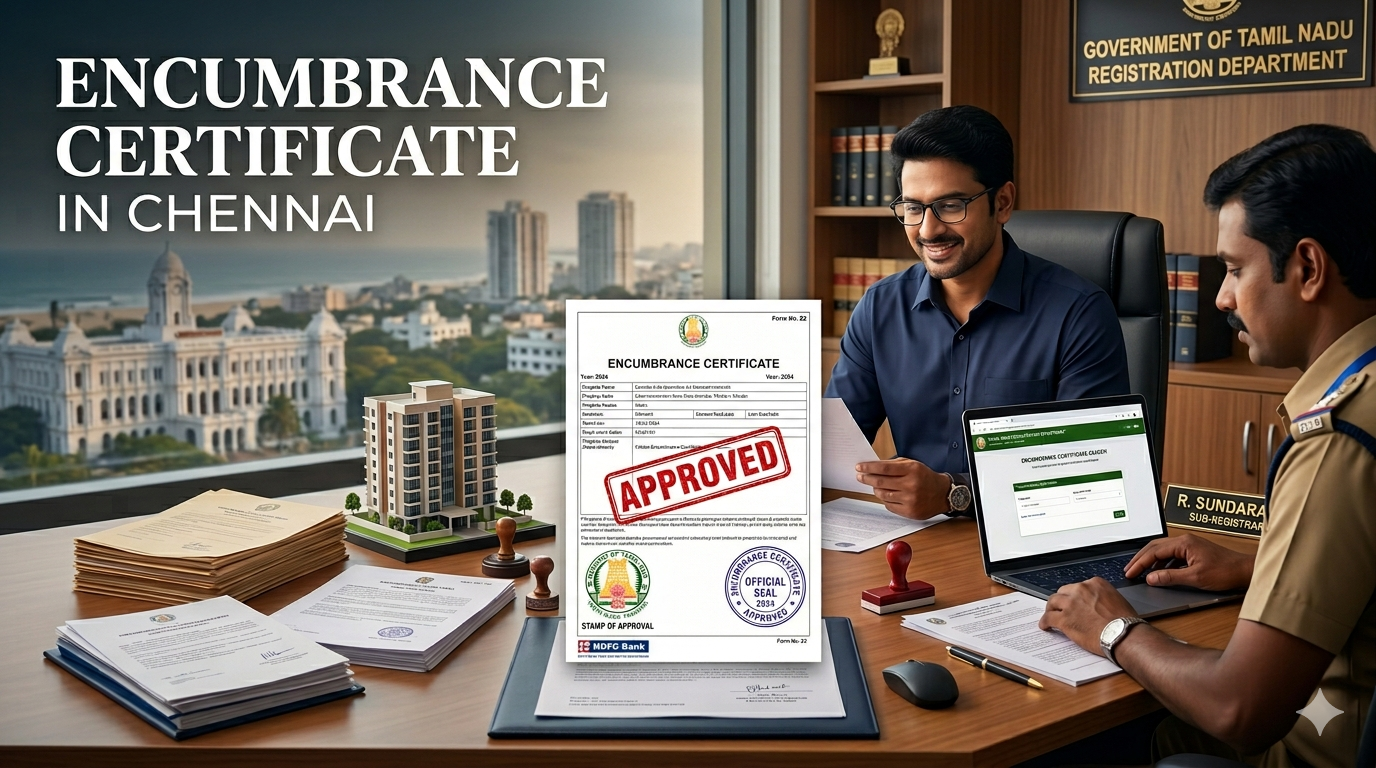
Discover what an Encumbrance Certificate in Chennai is, including its types, fees, and step-by-step application process for property verification. This document is very important for property transactions.
Do you know about the important document that shows who owns a property in Chennai? An encumbrance certificate is key. It makes sure a property doesn’t have any financial problems.
This document is very important for property transactions. It helps know if a property is clear. In this article, we’ll talk about what an encumbrance certificate is, why it matters, its costs, how to get it, and its types. You’ll learn all about its role in real estate documentation.
Key Takeaways
- Understanding the importance of an encumbrance certificate in property transactions.
- Learning about the costs associated with obtaining an encumbrance certificate.
- Knowing the processes involved in getting an encumbrance certificate.
- Familiarizing oneself with the different types of Encumbrance Certificates.
- The role of an Encumbrance Certificate in ensuring clear property ownership.
Understanding Encumbrance Certificate Chennai (EC)
The Encumbrance Certificate (EC) is a key document in Chennai. It shows if a property has any debts or financial issues. This is important for buying or selling properties.
Definition and Purpose of an EC
An EC is given by the sub-registrar’s office where the property is registered. It lists any loans or debts on the property for a certain time. Its main job is to check if the property is legally clear and free from hidden debts.
Getting an EC is a big step in buying or selling a property. It gives buyers peace of mind about the property’s financial past.
Legal Significance in Property Transactions
An EC is very important in property deals. It protects against fraud by showing any debts on the property. It’s vital for both buyers and sellers to prove the seller owns the property and to make the deal go smoothly.
Role in Securing Home Loans and Property Sales
An EC is key for getting home loans. Banks need it to figure out the risk of lending on a property. It helps them protect their money.
Also, an EC helps buyers feel sure about buying a property. They know it’s free from legal or financial problems.
Types of Encumbrance Certificates in Chennai
Knowing about the Encumbrance Certificates in Chennai is key for easy property deals. These certificates check if a property is owned legally and without any debts or legal problems.
Form 15 – Extract of Encumbrance Certificate
Form 15 is an extract of an encumbrance certificate. It shows all registered deals like mortgages or sales. It’s important for checking if the property’s ownership is real.
When you want a home loan or buy a property, banks need Form 15. It shows if there are any debts or legal issues with the property.
Form 16 – Nil Encumbrance Certificate
A Form 16, or Nil Encumbrance Certificate, means there are no deals or debts on a property. It proves the property is free from financial problems, which is key for land ownership certificate checks.
Form 16 is needed when buying a property. It shows the property is clear of any issues, making it safe for buyers and banks.
Certified Copy of EC
A certified copy of the encumbrance certificate is a real copy of the EC, approved by the authorities. It’s as good as the original and used for official stuff like buying property or loans.
You get a certified copy of EC from the sub-registrar’s office where the property is registered. Make sure it’s stamped and signed to prove it’s real.
In short, knowing about the Encumbrance Certificates in Chennai is important for safe property deals. Whether it’s Form 15, Form 16, or a Certified Copy of EC, each has its own role in checking property ownership and status.
The Process to Obtain an Encumbrance Certificate in Chennai
To get an Encumbrance Certificate in Chennai, you can apply online or in person. This makes it easier for everyone involved in property deals to get the needed documents.
Online Application Method
The TN STAR Portal makes applying online simple. Here’s how to do it:
Step-by-Step Guide for TN STAR Portal
- Go to the TN STAR Portal and sign up or log in.
- Fill out the form with your property details, like survey number and registration number.
- Upload your documents, like the sale deed or property tax receipts.
- Pay the fees online.
- Submit your application and check its status online.
Offline Application at Sub-Registrar Office
If you prefer to apply in person, the Sub-Registrar Office is where you go. Here’s what you need to do:
- Get the application form from the Sub-Registrar Office.
- Fill it out with the needed information.
- Attach your documents.
- Submit your application and pay the fees at the office.
Required Documents and Information
For both online and offline applications, you need some documents. These include:
- Property survey number or document number.
- Sale deed or proof of ownership.
- Property tax receipts.
- Your identity proof.
Make sure you have all the required documents ready. This will make the application process smoother, whether you apply online or in person.
Costs and Fees Associated with Chennai EC
When you apply for an Encumbrance Certificate in Chennai, knowing the costs is key. The fees can change based on the certificate type and how you apply.
Official Government Fees Structure
The state government sets the fees for an encumbrance certificate. The cost depends on how long you need the certificate. For example, the first year might cost ₹100, and each year after that is ₹50.
Fee Breakdown:
- First year: ₹100
- Subsequent years: ₹50 per year
- Maximum fee: ₹500 for up to 12 years (as per some state regulations)
Additional Charges and Stamp Duty
There are extra costs for getting an encumbrance certificate. These include:
- Stamp duty on the certificate, if applicable
- Service charges if you use an agent or online portal
- Certification fees for a certified copy of the EC
Payment Methods Accepted
The ways to pay for an Encumbrance Certificate in Chennai differ online and offline. Online, you can use:
- Net banking
- Credit/debit cards
- Digital wallets
Offline, you can pay with:
- Cash
- Demand drafts
Always check with the authorities or the official website for the latest on payment options and extra fees.
Verification and Validity of Encumbrance Certificates
Checking an Encumbrance Certificate Chennai (EC) is key for safe property deals. An EC shows who owns a property and its financial state.
Authenticity Verification of an EC
To check if an EC is real, follow these steps:
- Look for the official seal and signature of the sub-registrar office on the certificate.
- Make sure the document number and date match the Sub-Registrar Office’s records.
- Use the government’s online portal to check the EC status with the document number or other details.
Importance of Verification: Checking the EC makes sure the property has no legal issues. This protects the buyer’s or lender’s interests.
Validity Period and Renewal
An encumbrance certificate is good for a certain time, like 2010-2020. It’s valid for deals in that period.
To renew, get a new EC for later years. It’s best to have a recent EC to show the property’s current status.
Common Issues and Red Flags
Watch out for these red flags with ECs:
- Inconsistencies in the EC and other property papers.
- Unverified or unauthenticated documents.
- Any undisclosed encumbrances or debts.
Being careful about these can avoid legal and financial problems in property deals.
Conclusion
Understanding encumbrance certificates is key for easy property deals in Chennai. An encumbrance certificate shows if a property is free from legal or financial issues.
To get an Encumbrance Certificate in Chennai, you need to apply online or offline. You must also submit documents and pay fees. It’s also important to check if the certificate is real to avoid fraud.
Knowing about Encumbrance Certificates helps make property deals safe and clear. It helps buyers and sellers deal with property issues in Chennai confidently.
In short, an encumbrance certificate is vital for proving who owns land. It makes sure property deals are clear and precise.
FAQ
What is the purpose of an encumbrance certificate in Chennai?
An Encumbrance Certificate proves you own a property and it’s financially clear. It shows the property is free from debts or mortgages.
How can I obtain an encumbrance certificate in Chennai?
You can get one online through the TN STAR Portal or in person at the Sub-Registrar Office. Just submit the needed documents and info.
What are the different types of encumbrance certificates available in Chennai?
Chennai offers three types: Form 15, Form 16, and Certified Copy of EC. Each serves a different purpose.
What is the validity period of an encumbrance certificate?
An encumbrance certificate is valid until its date. You can renew or update it as needed.
How can I verify the authenticity of an encumbrance certificate?
Check the official government website or contact the sub-registrar office. You can also use online EC verification services.
What are the costs associated with obtaining an encumbrance certificate in Chennai?
Costs include government fees, extra charges, and stamp duty. These vary based on the certificate type and application method.
Can I apply for an encumbrance certificate online?
Yes, apply online through the TN STAR Portal. It’s a quick and easy way to get your certificate.
What documents are required to obtain an encumbrance certificate?
You’ll need property details, a survey number, and more. Submit these online or in person.
How long does it take to obtain an encumbrance certificate in Chennai?
Processing time varies. It depends on your application method and the sub-registrar office’s workload. It usually takes a few days to weeks